Phone:
(701)814-6992
Physical address:
6296 Donnelly Plaza
Ratkeville, Bahamas.

Phone:
(701)814-6992
Physical address:
6296 Donnelly Plaza
Ratkeville, Bahamas.
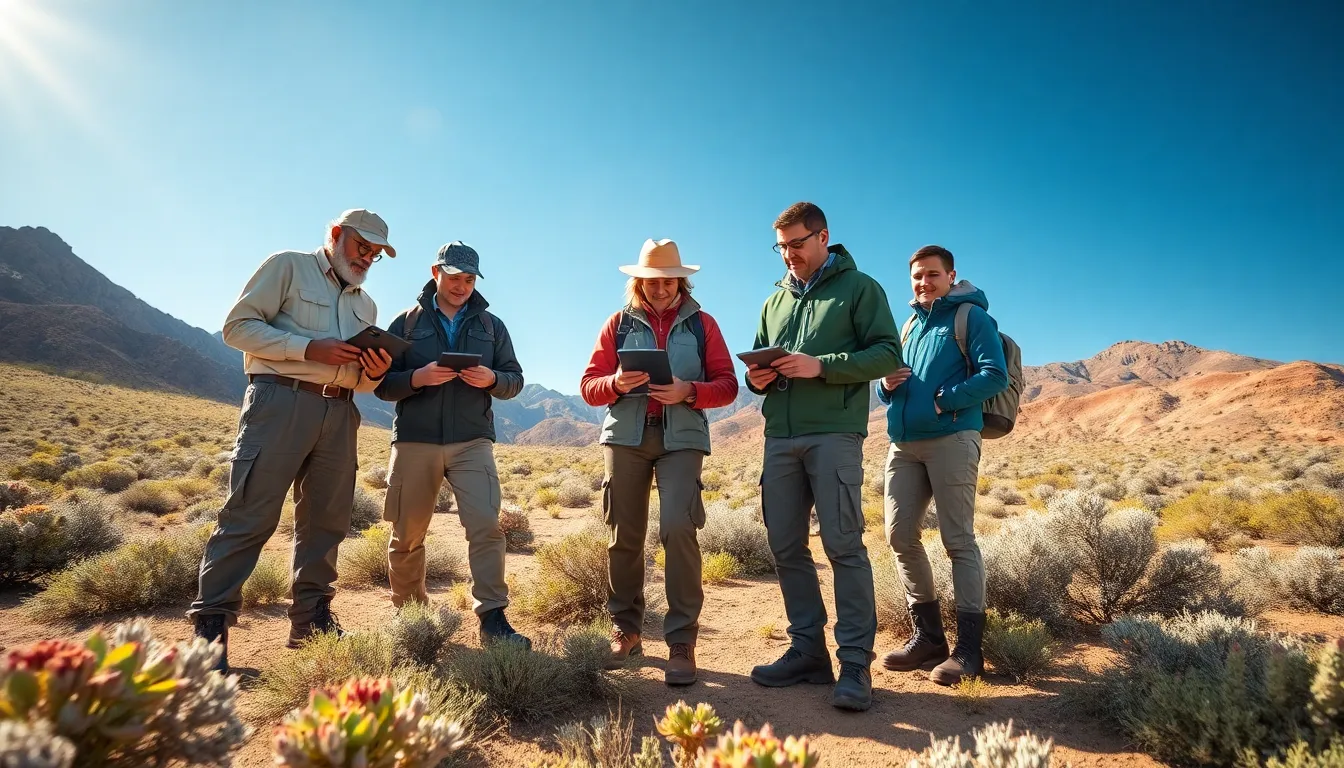
If history had a blockbuster, the Great Basin Expeditions would definitely be in the lead role. Picture this: rugged terrain, intrepid explorers, and captivating tales etched into a backdrop of vast desert landscapes. From the trials and tribulations of early travelers to the pivotal discoveries that shaped the region, this journey promises to be anything but boring. Buckle up as we jump into the adventurous world of the Great Basin Expeditions, where every twist and turn reveals a new chapter in America’s exploration saga.
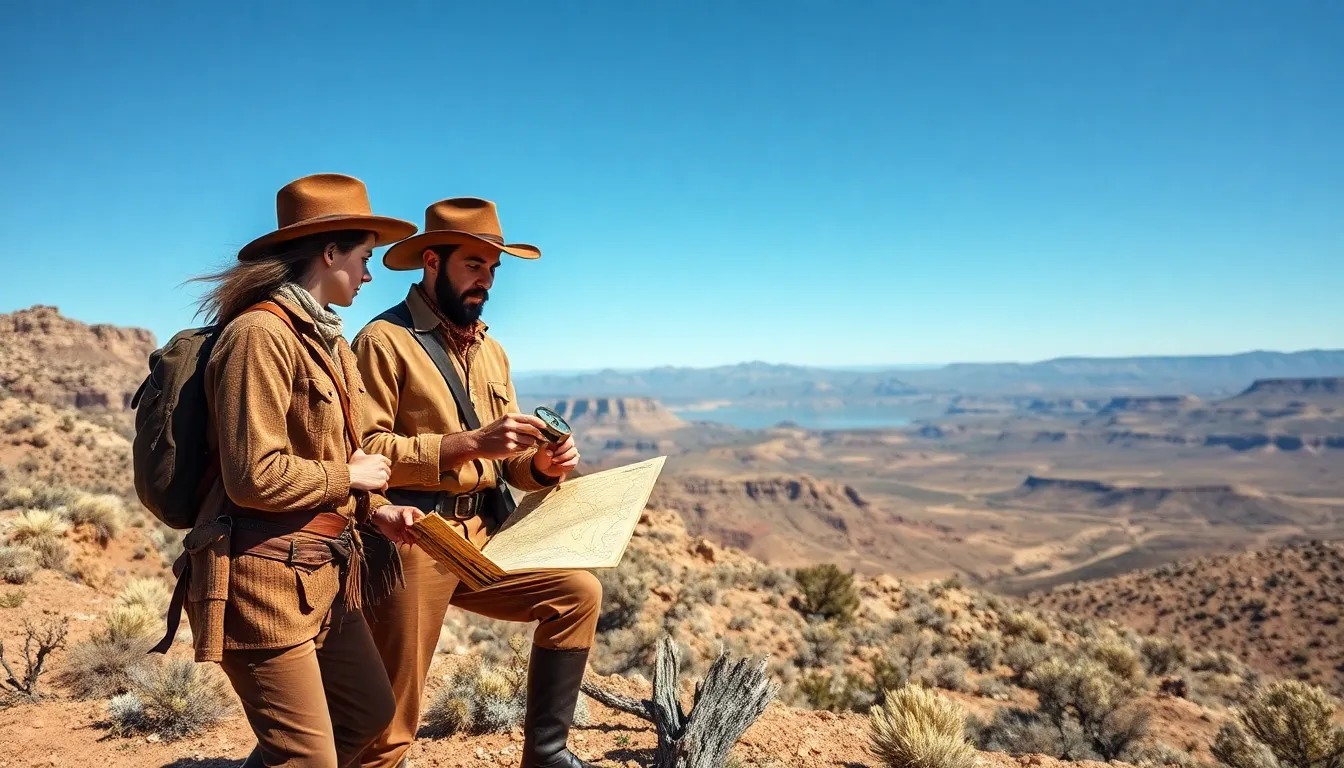
The historical significance of Great Basin Expeditions cannot be overstated. These expeditions primarily occurred in the 19th century when the promise of discovery sparked curiosity across the nation. The American West, particularly the Great Basin, was mostly an enigma to settlers and adventurers alike.
It served as a crossroads for various cultures and played a crucial role in the westward expansion of the United States. Among these early expeditions, the explorations led by John C. Frémont in the 1840s stand out. Not only did they map uncharted territories, but they also provided vital information on the geography, climate, and resources available in this vast expanse.
These missions were more than just a quest for knowledge: they helped lay the groundwork for future settlers and travelers who followed. The Great Basin’s historical expeditions also highlighted the enduring spirit of exploration, one that resonates even today.
One cannot talk about Great Basin Expeditions without mentioning the key discoveries that came to light. These expeditions uncovered a diversity of ecological and geographical features, from the towering Sierra Nevada to the deep Utah salt flats.
Geography played a pivotal role in shaping the trajectories of these journeys. The rugged mountain ranges and expansive basins created both opportunities and obstacles for the explorers. The varied landscapes meant that each expedition faced unique challenges, influencing routes and methods of travel. For instance, some explorers had to navigate treacherous mountain passes while others struggled across arid deserts.
The challenges they faced were not limited to the terrain. Explorers had to deal with harsh weather, dwindling supplies, and the constant threat of encountering native tribes whose lands they were crossing. One notable expedition was that of the Donner Party, which tragically illustrated how poor planning and unexpected hardships could lead to dire consequences.
Cultural interactions during Great Basin Expeditions created a rich tapestry of collaboration and conflict. While many explorers ventured into the unknown with an eagerness to discover, they often encountered indigenous peoples whose deep knowledge of the land was invaluable.
Figures like Frémont and Kit Carson exemplify the intersection of exploration and cultural exchange. Interactions with tribes provided explorers with essential insights into survival techniques and local resources. But, these encounters were not without their complexities, often reflecting the broader themes of colonization and cultural appropriation. Travelers learned much from the native populations, demonstrating that knowledge was often a two-way street in the Great Basin.
The legacy of the Great Basin Expeditions continues to reverberate today. These early journeys ignited a spirit of exploration that spurred further scientific and geographical pursuits. They also left behind a treasure trove of knowledge about the environment, serving as a foundation for future generations of scientists and adventurers.
The rich historical record created by these expeditions now informs wildlife conservation efforts and regional planning initiatives, showcasing the enduring value of understanding our natural landscapes.
In today’s rapidly changing world, the lessons learned from Great Basin Expeditions resonate strongly. With climate change and environmental degradation posing challenges that echo past hardships, understanding the historical context of these explorations can inspire contemporary conservation and environmental stewardship efforts.
As researchers and policymakers look to the past for guidance, they often draw from the boldness of those early explorers who dared to chart unknown territory. The Great Basin serves as a living testament to the challenges of exploration and the importance of preserving ecological knowledge.
